
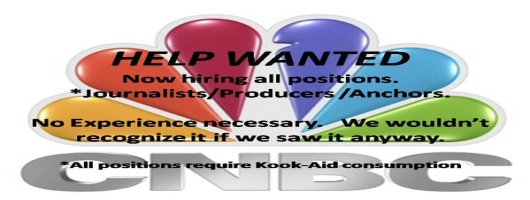
CNBC Teaches Us How Not to Run a Debate
Posted by MichaelGroff on October 29, 2015 | Filed under Podcasts
Podcast: Play in new window | Download (77.7MB)
Subscribe: Apple Podcasts | RSS
The third Republican debate of the 2016 election season will certainly be etched into the history books. Based upon the nearly unanimous consensus from all sides of the political spectrum, this was assuredly the single worst debate in presidential history. Ordinarily one would refrain from such hyperbole, but you would be hard pressed to find any reason to think otherwise; the unprepared, confused and out-of-control moderators set the tone early and often. Poorly structured questions, mired in misinformation and/or deliberately divisive rhetoric with the likely goal of angering the candidates made for a nearly unpalatable forum.
On numerous occasions, the moderators—consisting of Carl Quintanilla, Becky Quick and John Harwood—asked questions that intentionally called for one of the GOP candidates to speak about the character, personality or policies of the other. Frequently, these questions were underscored with not-so-veiled personal attacks but, time and again, the candidates refused to bite. In fact, not only did the candidates decide (for the most part) to balk at the questions, they also chose to turn the tables on the moderators and shame them for such poor preparedness.
Here, former Arkansas Governor Mike Huckabee refuses to take the bait that the moderators feed him regarding Donald Trump
At this point, even the crowd starts to turn on the CNBC panel of moderators. Don’t worry, it would get a lot worse before the night was over.
Whether it was Carl Quintanilla essentially making up facts regarding Ben Carson’s association with a drug company or Becky Quick being unsure about a quote Donald Trump made regarding Florida Senator Marco Rubio, the evening was filled with gaffes, blunders and an increasingly intolerant crowd and candidate pool with respect to the disorganization and clear bias by the moderating panel.
WINNERS AND LOSERS
Obviously CNBC was the big loser of the night among the live audience in Boulder, Colorado—this theme extended to social media, various pundits and columnists on all sides of the political spectrum throughout the evening.
In fairness, CNBC did post a 14-share in the overnight ratings, this nearly doubled the audience that was tuned in to game two of the World Series which ran congruently to the GOP Debate.
Jeb Bush/John Kasich/Rand Paul: After three debates, a candidate should start to separate themselves from the crowd or, at the very least, still be in the race. None of the aforementioned candidates have managed to do that, however. Latest polls show the three are languishing well out of the race statistically and losing momentum rapidly.
Bush attempted to take a few quick shots at Donald Trump once again, a move that proved to be fruitless but not nearly as much as his attempt to corner Marco Rubio. At one point, Bush tried to paint Senator Rubio as someone disinterested in his job. Rubio not only balked at the idea but turned the tables on Bush, saying that the only reason the former governor was attacking him in the first place was because they were both running for the same position. Rubio also noted that, in the past, Bush had shown little discontent with McCain’s absences while campaigning or even Barack Obama’s low vote participation record. Following this exchange, Bush was rarely heard from again the rest of the evening.
John Kasich was sure sweating a lot, again. Someone get this guy a towel, or a fan… Kasich came across as angry (with the voters, the candidates, the process and just about everything else under the sun). Not exactly the best way for a candidate to get into the good graces of the electorate.
Rand Paul has certainly seen his star fall a long way from the heir-apparent to the Republican thrown last year. Now, the Kentucky Senator can barely even garner one percent of the vote and seems to be having a poor time raising funds in his own state and among those that are most in agreement with him among the Tea Party and like-minded Libertarians. Paul made an attempt to be relevant, but just lacked the presence needed to make a supreme impact upon the public (once again).
—
Meanwhile, Ted Cruz and Marco Rubio performed very well. Marco Rubio may have had the line of the night when discussing super-pacs, he said that the Democrats have the greatest super-pac of all and it’s called the mainstream media, to which the crowd roared. Cruz, meanwhile, made an impact by repeatedly commenting on the poor questions asked by the moderators, calling on the panel to discuss substantive issues.
Also On This Episode
- Just when you thought the Jared Fogle story couldn’t get any more sickening…
- Bear causes quite an earthquake in Alaska.
- Nearly 70% of teens and adults globally have Herpes (Simplex 1 or 2) virus.
- The pop chart with a different spin this week: We take a look at the number one song across multiple genres.
October 30, 2015 at 11:12 am
What an embarrassment. Even in 2012 when the infamous Obama v Romney debate, that was at least a failure to keep time, not a failure of the mod onto himself. I might not be interested in voting republican but I’m still interested in what a potential presidents stance is.
Then again I’ve almost lost my interest in politics almost entirely after the embarrassment that was the NSA scandal. They want to charge Edward Snowden? Get real.
I hear Canada is looking for diversity and immigrants…